April 30, 2026 – Zadar
Zadar: From Roman Outpost to Resilient Modern City
We woke early, excited to make the most of our time in Zadar. The breakfast at Teatro Verdi Hotel was a lovely surprise. Though the dining room was small, it spilled out onto a cozy patio that gave the morning a relaxed charm. The cappuccino was bold and smooth, and the buffet was full of fresh, satisfying options, from fruit and yogurt to eggs and cheese.
Energized and curious, we headed off to meet our walking tour guide. We were eager to better understand the layers of history that have shaped this coastal city. As we moved through Zadar’s stone-paved streets, it quickly became clear that this place has lived many lives.
Zadar’s story begins more than three thousand years ago. It was originally settled by the Illyrian Liburnians, an ancient maritime people who navigated the Adriatic long before the Romans arrived. In the second century before Christ, Rome conquered the region and transformed the town, known then as Iadera, into a structured Roman colony. They introduced the familiar grid street plan, built temples and forums, and established Zadar as a key urban hub in the empire. You can still spot fragments of Roman columns and foundations tucked between modern storefronts.
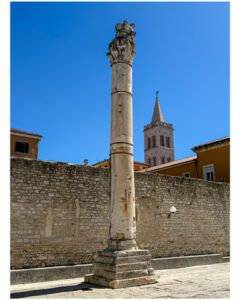
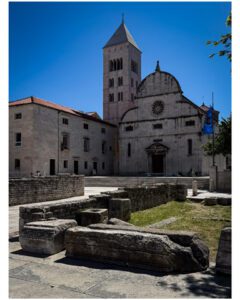
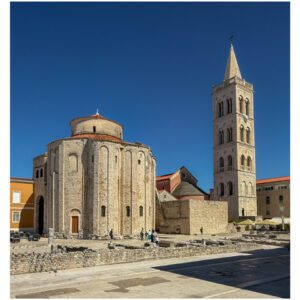
As empires rose and fell, Zadar changed hands many times. After the collapse of the Western Roman Empire, it became part of the Byzantine realm. It later passed through the hands of the Kingdom of Croatia and the Hungarian crown before coming under the rule of the Venetian Republic. This period of Venetian control, which lasted for hundreds of years, turned Zadar into a prosperous Adriatic port and a cultural center. Much of the architecture you see in the old town today, including its gates, churches, and defensive walls, reflects this maritime golden age.
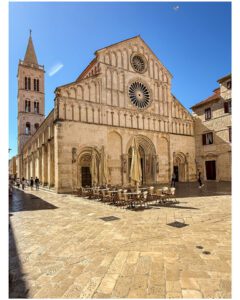
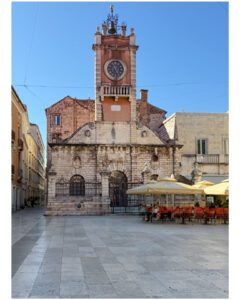
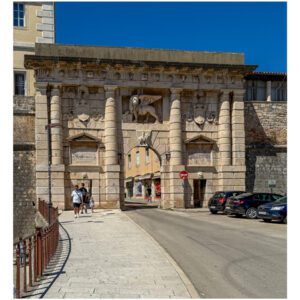
In the late eighteenth century, the Austrians took control, ruling the city until the early twentieth century, aside from a brief interlude under Napoleonic France. After the First World War, the Treaty of Rapallo handed Zadar to Italy, turning it into a small Italian enclave on the Yugoslav mainland. For a time, the city retained its Italian identity, with Italian being the primary language and cultural influence.
Then came the Second World War. Because of its strategic importance and Italian ties, Zadar became a target for the Allies. Between 1943 and 1944, the city was bombed more than seventy times. Nearly eighty percent of the historic core was destroyed. Our guide showed us photos of the aftermath and pointed to buildings that had since been rebuilt. His stories made it all feel painfully real. One moment that stayed with me was when he told us that his mother grew up playing in the rubble left behind by the bombings. It is hard to imagine such devastation in a place now so beautiful.
After the war, Zadar became part of the newly formed Socialist Federal Republic of Yugoslavia under Josip Broz Tito. The city was rebuilt and modernized, but not without loss. Many of its Italian residents left or were displaced, and Zadar began to take on a more Croatian identity. The decades that followed brought stability and growth. Schools, housing, and cultural institutions were built, and the city slowly healed.
Zadar remained under Yugoslav rule until Croatia declared independence in 1991. The Croatian War of Independence followed. While Zadar was not as severely damaged during this conflict as it had been in the 1940s, the sense of uncertainty and fear was still deeply felt by those who lived through it.
Today, Zadar stands as a city that remembers everything. It wears its past openly, from the Roman ruins embedded in its plazas to the Venetian walls that still guard its edges. Our guide shared insight after insight, bringing the past to life in a way that was both personal and profoundly moving.
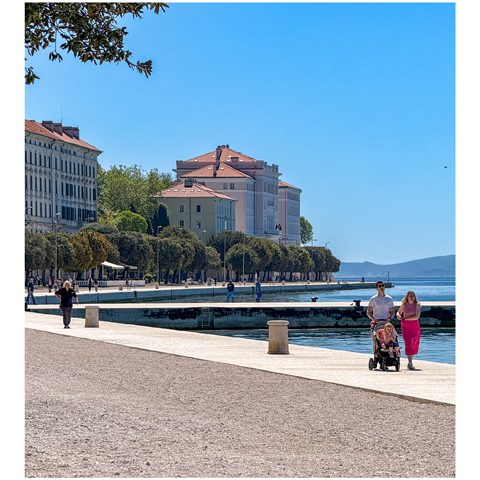
After our tour, we walked the city with new eyes. Knowing what Zadar had endured made each narrow street and weathered building feel like a quiet monument to resilience. It is humbling to stand in a place that has rebuilt itself so many times. The truth is, most of us will never know what it means to live through the kind of loss that Zadar has faced. Being here reminded us not to take that for granted.
We ended the day with dinner at a wonderful little spot called 4 Kantuna, or Four Corners. The name comes from the layout of the old crossroads where it sits, one of the most recognizable intersections in the old town. This spot has long served as a meeting point for locals and travelers alike.
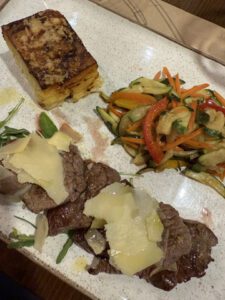

The restaurant was unapologetically Dalmatian, celebrating traditional Croatian flavors with a fresh, modern edge. I had the Tagliata Beefsteak, which was tender and perfectly seasoned. Ron ordered the Beef Cheeks with Homemade Gnocchi. I managed to sneak a bite and can confirm it was just as delicious as it sounded. We paired it all with a bottle of local Croatian wine, recommended by our friendly and knowledgeable waiter.
Full and happy, we returned to our hotel, Teatro Verdi, and fell into bed with that lovely combination of physical tiredness and emotional fullness that comes from a truly meaningful day. Tomorrow, we head to Šibenik. But tonight, we fall asleep grateful for Zadar, a city that has stood the test of time and still has so much to say.
Zadar gets a full ten out of ten from us. Highly recommend.

🧭 Explore Zadar with Viator – If you’re the kind of traveler who feels more at ease with a plan in place, Viator is a great place to start. They offer a wide range of tours that take the guesswork out of exploring a new city — from guided walks to full-day excursions and everything in between. It’s a great option if you’d rather leave the organizing to someone else and just focus on enjoying the experience. We’ve used them often and love how easy they make it to discover the highlights without the stress.