
Houseboat 65 – Cairo Egypt – March 2026
The Living Legend of Houseboat 65: Why Our Three-Night Stay is a Pilgrimage to Cairo’s Cultural Heart
We’re not just booking a quirky vacation rental—we’re stepping into the pages of Cairo’s most vibrant cultural history. Houseboat 65 isn’t merely a structure of wood and nails bobbing on the Nile; it’s the last physical witness to an era when Cairo’s artists, writers, and revolutionaries turned a humble floating home into the unofficial capital of Egyptian intellectual rebellion.
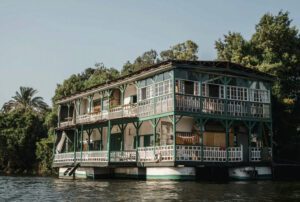
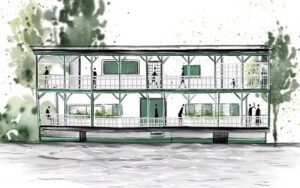
A Floating Revolution
Built in the early 1900s during the heyday of Nile houseboats, Houseboat 65 began as one of many nileyas—elegant, if slightly ramshackle, floating residences favored by artists and free thinkers seeking refuge from the city’s noise. But in the 1940s, under the care of painter Mohamed Radwan, it transformed into something far more radical: an unlicensed, uncensored, and utterly unpredictable hub of creativity.
This was where Egypt’s brightest minds gathered not just to socialize, but to reimagine their country. While the rest of Zamalek’s elite sipped tea in gilded parlors, Houseboat 65 hosted whiskey-fueled debates on socialism, experimental poetry readings, and jazz sessions that spilled into dawn. It became a sanctuary for those too rebellious for cafés, too radical for galleries, and too loud for polite society.
The Ghosts in the Woodwork
Walk across its creaking floors today, and you tread the same planks that once bore the weight of literary giants. Naguib Mahfouz, Egypt’s Nobel Prize-winning novelist, was a regular, weaving tales of Cairo’s alleyways while the Nile lapped beneath him. Feminist icon Doria Shafik plotted protests here, her typewriter clacking late into the night. The air still hums with the echoes of Umm Kulthum’s musicians, who would unwind after concerts with impromptu performances, their ouds and violins drifting over the water.
Even the boat’s physical quirks tell stories. The famous “writers’ corner” near the stern still bears ink stains from hurriedly scribbled manuscripts. The uneven floorboards? They’ve tripped up everyone from Marxist philosophers to heartbroken poets. And that iconic, weather-beaten blue exterior? It’s been photographed by every art student, filmmaker, and nostalgic Cairene seeking a tangible piece of the city’s soul.
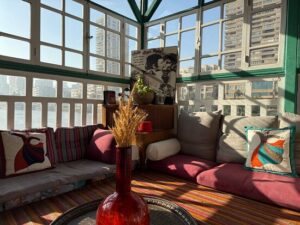
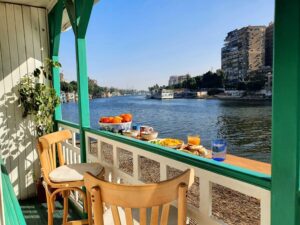
The Boat That Refused to Die
Houseboat 65’s survival is nothing short of miraculous. In the 1970s, as Cairo modernized, most nileyas were demolished to make way for marinas and high-rises. Yet this one stubbornly clung on, thanks to a mix of luck and the devotion of artists who refused to let it go. It faced five separate demolition orders, a bizarre 2017 proposal to turn it into a fast-food joint, and decades of bureaucratic indifference. But like the rebels who once gathered here, it endured—becoming a symbol of resistance against a city increasingly eager to erase its past.
Our Turn in the Story
For three nights this March, we become part of that legacy. We’ll wake to the same Nile breeze that cooled heated debates, cook in the tiny kitchen where starving artists once shared meager meals, and fall asleep to the gentle rocking that cradled Cairo’s dreams. We might not be writing the next great Egyptian novel or plotting a revolution, but we’ll be living where those things happened—and that’s magic enough.
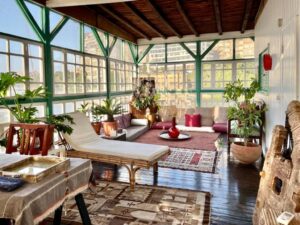
So yes, we’re excited. Not because it’s luxurious (it isn’t), or because it’s Instagrammable (though oh, it is). But because some places aren’t just places—they’re time machines. And for 72 hours, the Deluxe Glasshouse in Houseboat 65 will be ours.
P.S. If you spot us on the deck at sunset, glass of Egyptian wine in hand, know we’re not just toasting the view—we’re toasting the ghosts.