
🇫🇷 France: Beyond the Postcard
If you think France begins and ends at the base of the Eiffel Tower, prepare to dismantle everything you know about this European powerhouse. To truly experience this country is to break past the manicured tourist brochures and confront a landscape of raw, breathtaking contrasts. It is a nation where the thunderous Atlantic swells batter the rugged stone cliffs of Brittany, where the sun-bleached lavender fields of Provence bake under a Mediterranean sky, and where the jagged, snow-capped heights of the French Alps challenge even the most seasoned adventurers.
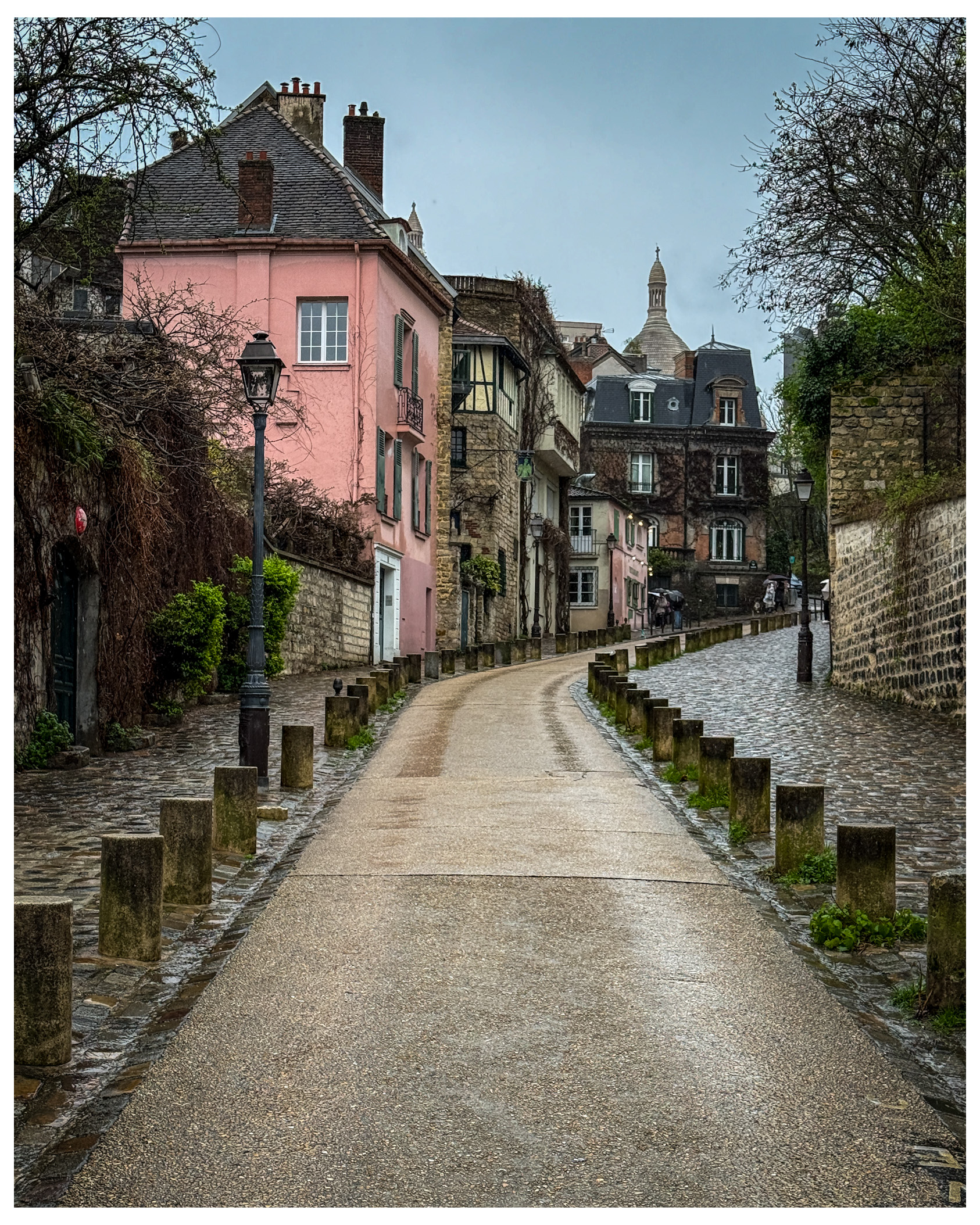
France does not ask for your admiration; it effortlessly commands your entire focus. This is a land whose sweeping historical narrative fundamentally altered the blueprint of global culture. You can stand on the windswept, ancient tidal flats of Mont Saint-Michel, retrace the pivotal, beachhead footprints of the D-Day landings in Normandy, or lose yourself in the architectural transition from medieval timber hamlets to Paris’s revolutionary, zinc-roofed city grids. France invites you to leave the standard itineraries behind, take the slower regional routes, and experience a fierce, unyielding pride that has been perfectly preserved inside centuries of chiseled limestone.
🇫🇷 Scrapbook Notes on France
- Population – Around 66.7 million people (with a fierce regional pride that keeps small villages operating under their own timeless rhythms).
- Global Tourism Ranking – It holds the uncontested #1 spot in the world for total international tourist arrivals. The country welcomes a massive, record-shattering 100 million visitors annually, though the real magic lies far away from the generic tour bus tracks.
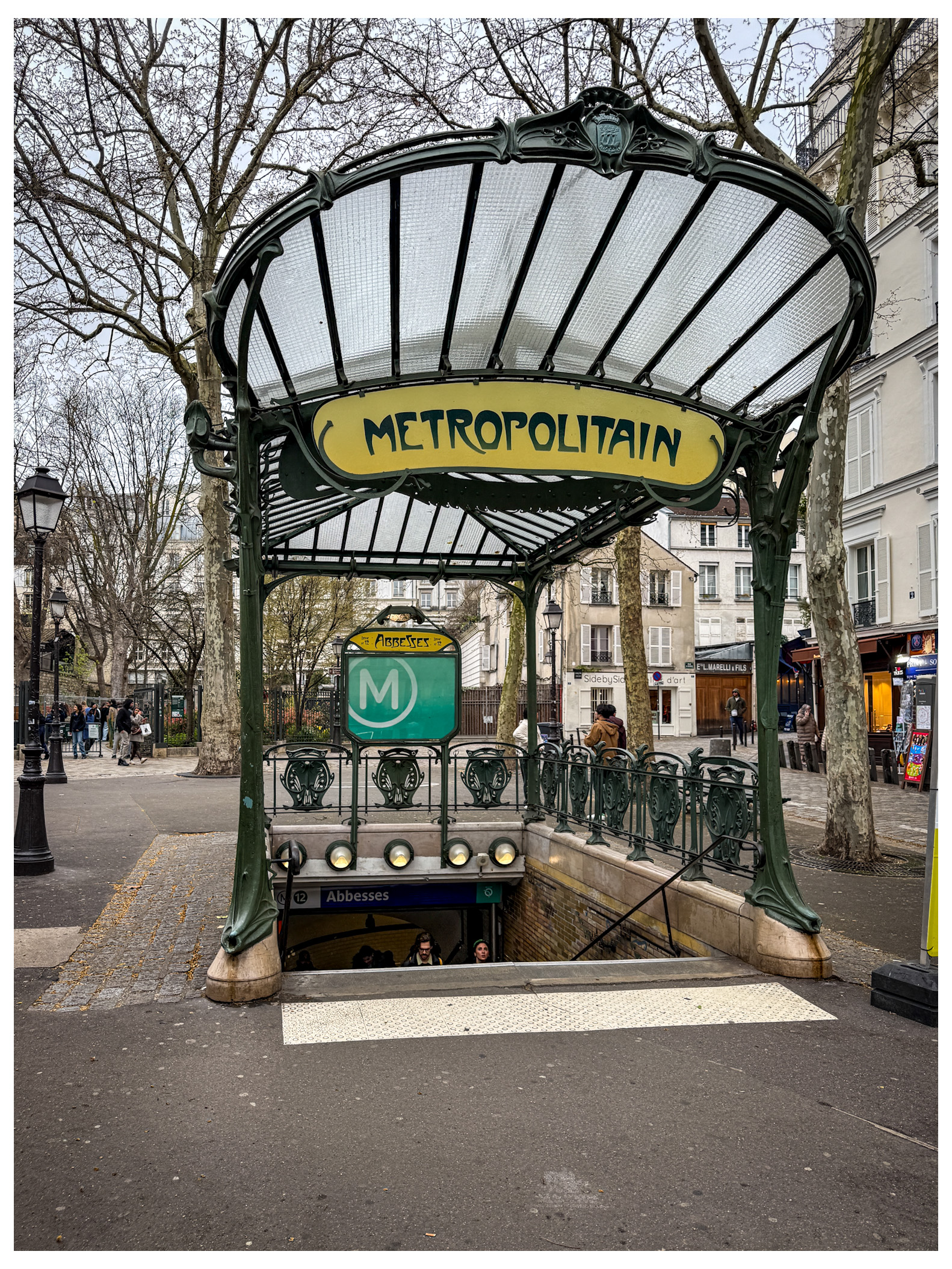
- Capital City – Paris – The legendary “City of Light” where historic zinc-roofed Haussmann architecture lines grand avenues, punctuated by world-class museums and a fast-paced, chic café culture.
- Most Visited Hubs – The iconic, soaring iron framework of the Eiffel Tower; the sprawling, art-filled corridors of the Louvre Museum; and the opulent, gold-leafed royal landscape of the Palace of Versailles.
🇫🇷 Hidden Gems You Should Seek Out
St. Émilion – A breathtaking, medieval wine village nestled in the heart of Bordeaux. Surrounded by rolling, sun-drenched vineyards, this historic stone town features a monumental, monolithic church carved entirely out of a single limestone cliff face subterranean style, where you can wander ancient underground catacombs and taste world-class local vintages.
Èze – A captivating, medieval stone village perched dramatically at the absolute crest of a steep clifftop ridge high above the French Riviera. Walking its narrow, car-free stone alleys feels like stepping onto a fairytale balcony suspended between the sky and the sapphire waters of the Mediterranean below.
Lyon – The uncontested gastronomic beating heart of France. Tucked between two rushing rivers, this vibrant historic city features the traboules—a secret, hidden network of covered passageways dating back to the Renaissance that cut straight through buildings and courtyards, leading you to traditional, family-run bistros (bouchons) serving legendary local food.
🇫🇷 Know Before You Go: France Basics
Before you pick up your keys to navigate the rural departmental roads and historic towns, here are the essential basics to keep your journey completely seamless.
- Language: French. While English is widely understood in high-traffic Parisian neighborhoods and major resorts, a minimal effort in the local tongue is required here more than almost anywhere else. Starting every single interaction with a polite, clear “Bonjour” (Good day) or “Bonsoir” (Good evening) is not just courteous—it is the unspoken social key that completely changes how you are treated.
- Currency: Euro (€). Credit cards and contactless mobile payments are universally standard across the country, from high-speed toll routes to chic city bistros. However, keep a small stash of physical Euro coins and small notes in your pocket for countryside bakeries (boulangeries), local village markets, and regional parking stalls.
- Best Time to Visit: To catch optimal daylight and pleasant exploration temperatures while avoiding the crushing mid-summer crowds, aim for the shoulder seasons: May to June (Spring) or September to October (Autumn). Keep in mind that during the month of August, a massive portion of local businesses and family-run shops close entirely as the French take their own annual holidays.
- Getting Around: France features one of the absolute best high-speed rail networks on earth; the SNCF (TGV) trains are clean, lightning-fast, and highly efficient for zipping straight between major urban centers. However, if your itinerary takes you deep into the historic villages of the Loire Valley or the sweeping coastal paths of Normandy, renting a car is completely essential to secure total exploration freedom.