
🇧🇦 Bosnia and Herzegovina: Resilience & Crossroads of Culture
Bosnia and Herzegovina is not a country you simply pass through; it is a place that leaves a permanent mark on your soul. Sitting at the deep historical friction point where the Ottoman and Austro-Hungarian empires collided, it is a land of staggering natural beauty, minarets, and church bells ringing out across the same mountain valleys. If other destinations rely on pristine fairytales to attract you, Bosnia commands your presence with its raw honesty, unmatched hospitality, and an unbreakable spirit of survival.
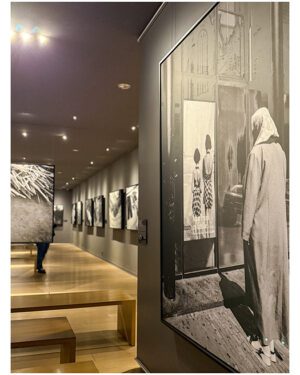
Your journey here is a masterclass in profound human history and vibrant cultural rebirth. You can stand on the famous cobblestones of Mostar to watch brave local divers plunge from the soaring, rebuilt arch of the Stari Most into the freezing, emerald waters below. In Sarajevo, you can stand on the literal corner next to the Latin Bridge where the assassination of Archduke Franz Ferdinand shattered the peace of Europe and triggered the catastrophic domino effect of World War I. You can lose yourself in the bustling Ottoman alleys of Baščaršija, where the aroma of Turkish coffee fills the air, before stepping into the heartbreaking reality of Gallery 11/07/95—an exhibition that delivers a powerful, necessary confrontation with the tragedy of Srebrenica. Bosnia invites you to look beyond the scars of the past, engage with its warm, welcoming people, and discover one of the most culturally rich and deeply moving corners of Europe.
🇧🇦 Scrapbook Notes on Bosnia & Herzegovina
- Population – Around 3.1 million people (representing a beautiful, complex tapestry of cultures meeting right at the heart of the Balkans).
- Global Tourism Ranking – Securely at the #91 spot in the world for total international arrivals. The country welcomes roughly 2.3 million visitors annually, standing proud as one of the fastest-growing travel frontiers globally according to the UN World Tourism Organization.
- Capital City – Sarajevo – A deeply moving, historic mountain valley city where Ottoman-era stone bazaars sit across the pavement from grand Austro-Hungarian avenues. It is famously nicknamed the “Jerusalem of Europe” because you can hear the cathedral bells ring at the exact same moment the call to prayer echoes from the minarets.
- Most Visited Hubs – The ancient, cobblestone alleys of Baščaršija in Sarajevo; the spectacular, postcard-perfect Stari Most (Old Bridge) in Mostar; and Blagaj Tekke, the mystical 16th-century Dervish monastery built directly into a vertical cliff face next to a rushing river spring.
🇧🇦 Hidden Gems You Should Seek Out
The Medieval Citadel of Jajce – A jaw-dropping stone fortress town perched in the mountains where a roaring 22-metre-tall waterfall crashes directly into a river junction right beneath the old town center, making it look like a physical piece of fantasy fiction.
The Kravica Waterfalls – A magnificent, hidden natural oasis deep in the limestone forests where a massive, 25-metre-tall semi-circle of rushing waterfalls cascades down into a crystal-clear, emerald swimming lagoon wrapped in hanging green vines.
The Bunker of Josip Tito – An ultra-secret, nuclear-bomb shelter hidden deep beneath a mountain near Konjic. Kept completely classified for decades, this massive, labyrinthine underground command center is perfectly preserved with cold-war communications gear, vintage living quarters, and heavy vault doors that offer a surreal, time-capsule walk through socialist history.
🇧🇦 Know Before You Go: Bosnia Basics
Before you head into the rugged mountains and historic towns of the Balkans, here are the essential basics to keep your journey moving smoothly.
- Language: Bosnian, Croatian, and Serbian are the official languages (they are highly mutually intelligible). English is widely and capably spoken by younger generations and hospitality teams in Sarajevo and Mostar, though a translation app is handy for rural road signs.
- Currency: Bosnia and Herzegovina Convertible Mark (BAM or KM). Crucial Warning: Unlike its neighbours, Bosnia does not use the Euro, and it is a heavily cash-centric society. You will absolutely need physical Marks in your wallet for street food, market stalls, and small cafes. ATMs are easy to find in major tourist hubs.
- Best Time to Visit: To catch comfortable hiking conditions in the mountains and avoid the dense summer crowds along Mostar’s narrow bridge, aim for May to June or September to October.
- Getting Around: While an affordable train links Sarajevo and Mostar with spectacular mountain window views, renting a car is the ultimate way to traverse the country’s dramatic canyons. Driver Tip: Ensure your car rental agency includes a “Green Card” (cross-border insurance flag) if you are driving in from Croatia or Montenegro.